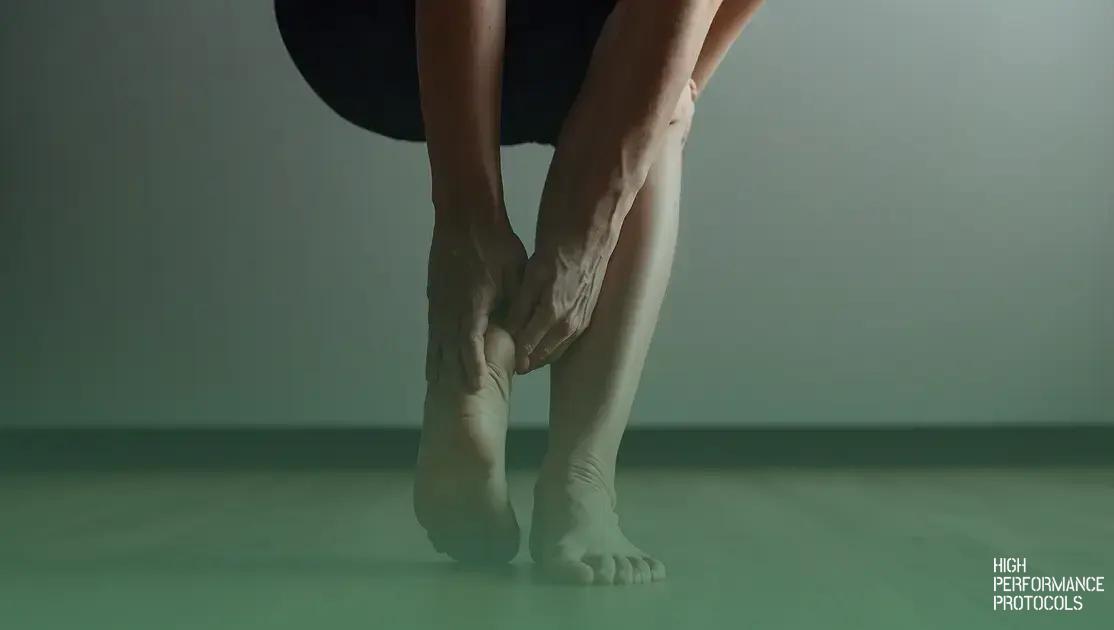
Managing neuropathy in feet involves understanding symptoms, maintaining a healthy diet, exercising gently, seeking support, and knowing when to consult a healthcare professional for effective relief.
How I cured my neuropathy in feet isn’t just a personal story but a guide filled with insights. Are you struggling with tingling and discomfort? Let’s explore some paths to relief together!
Understanding neuropathy: what it is and its causes
Neuropathy refers to a condition that affects the peripheral nerves, leading to symptoms like pain, tingling, and numbness. It often impacts the hands and feet, making daily activities challenging. Understanding neuropathy is essential for managing its symptoms effectively.
Types of Neuropathy
There are several types of neuropathy, including diabetic neuropathy, which arises from high blood sugar levels, and idiopathic neuropathy, where the cause remains unknown. Other types can be linked to conditions such as infection, autoimmune diseases, or exposure to toxins.
Common Symptoms
Symptoms of neuropathy can vary significantly among individuals. The most common sensations include tingling, burning, or pain in the affected areas. Some may also experience muscle weakness and issues with coordination.
Causes of Neuropathy
An array of factors can contribute to neuropathy, such as metabolic problems, hereditary conditions, and infections. For instance, high levels of glucose can damage nerves over time. Other causes may include alcohol abuse, vitamin deficiencies, and certain medications.
Risk Factors
Individuals with specific risk factors are more prone to developing neuropathy. These include those with chronic diseases, older adults, or those with a family history of nerve disorders. Recognizing these factors can help in early detection and intervention.
Recognizing the symptoms of neuropathy in feet
Recognizing the symptoms of neuropathy in feet is crucial for early intervention and effective management. Many people experience different signs that can indicate nerve damage or dysfunction.
Common Symptoms
The most frequent symptoms include tingling, burning sensations, and numbness. These feelings may start in the toes and gradually move up the foot, making it difficult to walk or stand comfortably.
Pain and Sensitivity
Many individuals report sharp pain or a feeling of soreness when pressure is applied to their feet. This can be exacerbated by certain footwear, making it essential to identify the right shoes that do not worsen these symptoms.
Weakness and Loss of Coordination
Muscle weakness can occur, leading to challenges in balance and coordination. This can increase the risk of falls and injuries, highlighting the importance of recognizing and addressing these symptoms promptly.
Altered Sensations
Some individuals may experience altered sensations, such as feeling less or more than what is normal. This can lead to difficulties in sensing pain, temperature, or even where their feet are positioned.
Seeking Medical Advice
It is important to discuss any symptoms with a healthcare professional, especially if they persist or worsen over time. Early diagnosis can lead to better management strategies and potentially reverse some effects of neuropathy.
The role of diet in managing neuropathy pain
The role of diet in managing neuropathy pain is significant. What you eat can greatly impact your overall nerve health and discomfort levels. A well-balanced diet may help reduce symptoms and improve your quality of life.
Essential Nutrients
Incorporating essential nutrients such as vitamins B1, B6, and B12 is crucial for nerve function. These vitamins can help repair and protect nerves. Foods rich in these vitamins include whole grains, eggs, and leafy greens.
Anti-inflammatory Foods
Eating anti-inflammatory foods can help reduce pain and inflammation associated with neuropathy. Foods like fatty fish, walnuts, and blueberries are rich in omega-3 fatty acids and antioxidants, which can support nerve health.
Blood Sugar Management
If you have diabetes, managing your blood sugar levels is vital. Include foods that can help stabilize your blood sugar such as whole grains, legumes, and non-starchy vegetables. Avoid sugary snacks and beverages that can cause spikes in blood glucose.
Hydration
Staying well-hydrated is important for overall health, including nerve function. Drink plenty of water throughout the day to help maintain optimal bodily functions and reduce feelings of fatigue or weakness.
Foods to Avoid
Certain foods may worsen neuropathy symptoms. Processed foods, excessive alcohol, and unhealthy fats can lead to nerve damage over time. Avoiding these can help you manage your symptoms more effectively.
Gentle exercises to alleviate neuropathy discomfort
Gentle exercises can play a crucial role in alleviating neuropathy discomfort. Engaging in regular physical activity can improve circulation, enhance flexibility, and reduce pain.
Stretching Exercises
Incorporating stretching into your daily routine can help relieve tight muscles and improve mobility. Simple stretches for the feet and legs, such as calf stretches and toe stretches, can be particularly beneficial.
Strengthening Exercises
Building strength in your legs and feet can help support better balance and stability. Consider exercises like heel raises, where you stand and slowly rise on your toes, and then lower yourself back down. Repeat this several times to strengthen your calves.
Low-Impact Aerobic Activities
Low-impact aerobic exercises, such as walking, swimming, or cycling, are excellent for maintaining cardiovascular health without putting too much strain on your feet. Aim for at least 30 minutes of these activities most days of the week.
Foot Massage
A gentle foot massage can alleviate pain and enhance circulation. Use your hands or a massage tool to apply pressure to the soles of your feet and between your toes for relief. You might also consider soaking your feet in warm water first to relax the muscles.
Yoga and Tai Chi
Practicing yoga or Tai Chi can improve balance, flexibility, and strength. These practices emphasize slow movements and breathing, which can enhance overall well-being and reduce neuropathic pain.
Stress management techniques for neuropathy relief
Managing stress is vital for those experiencing neuropathy, as stress can exacerbate symptoms and discomfort. Implementing effective techniques can lead to significant relief.
Mindfulness and Meditation
Practicing mindfulness and meditation helps calm the mind and reduce anxiety. Take a few minutes each day to focus on your breathing and observe your thoughts without judgment. This can enhance overall well-being and decrease pain perception.
Deep Breathing Exercises
Engaging in deep breathing exercises can quickly alleviate stress. Inhale deeply through your nose for a count of four, hold for a count of four, and exhale slowly through your mouth for another four. Repeat this several times to feel more relaxed.
Physical Activity
Regular physical activity, such as yoga or gentle walking, can help manage stress levels. Moving your body releases endorphins, which are natural mood lifters. Aim for at least 30 minutes of activity most days.
Journaling
Keeping a journal can be an excellent way to process your feelings. Writing down your thoughts, worries, or what you are grateful for helps clarify emotions and reduce anxiety levels.
Connecting with Nature
Spending time outdoors and connecting with nature can significantly lower stress. Take a walk in a park or simply sit outside to enjoy the environment. This can provide a peaceful escape from daily pressures.
Support systems: connecting with others
Establishing support systems is crucial for managing neuropathy and its related challenges. Connecting with others who understand your experience can provide comfort and practical advice.
Seeking Support Groups
Joining support groups can be beneficial. These groups allow individuals to share their experiences and coping strategies. Plus, you can learn from others who have similar symptoms and challenges.
Talking to Friends and Family
Open communication with friends and family is essential. Sharing your feelings and experiences can help them understand what you are going through. They may offer help and support in ways you might not expect.
Online Communities
Utilizing online forums and social media can also connect you with people worldwide. Many dedicated forums exist for those dealing with neuropathy, where members share their stories and advice.
Therapy and Counseling
Consider seeing a therapist or counselor. Professional guidance can help you work through emotional difficulties and stress associated with neuropathy. Therapy provides a safe space to express feelings and develop coping strategies.
Educational Resources
Engaging with educational resources about neuropathy can empower you and your support network. Understanding the condition better enables both you and your loved ones to navigate challenges together.
Budget-friendly solutions for mobility and comfort
Finding budget-friendly solutions for mobility and comfort is essential for those managing neuropathy. Making small adjustments can significantly enhance your daily life without breaking the bank.
Affordable Footwear
Wearing the right shoes is crucial. Look for comfortable, supportive footwear that fits well. Brands that focus on arch support and cushioning can make a big difference. Thrift stores or outlet shops often offer good options at lower prices.
Home Modifications
Simple home modifications can improve safety and comfort. Adding non-slip rugs and grips to stairways can prevent falls. Consider using rubber mats in the kitchen or bathroom to enhance stability.
Assistive Devices
There are several assistive devices available to assist with mobility. Items like canes and walkers are often available for rent or at reduced prices through community programs. Check local organizations for options.
Warm Compresses
Using warm compresses can help alleviate pain and discomfort. You can make your own by filling a sock with rice and microwaving it for a few seconds. This is both an effective and inexpensive way to manage symptoms.
Stretching and Strengthening Tools
Consider using simple tools like resistance bands or light weights for home exercises. These items are usually affordable and can help improve strength and flexibility, contributing to better mobility.
When to seek medical advice for neuropathy
Knowing when to seek medical advice for neuropathy is important for managing symptoms and preventing complications. If you experience certain signs, it is wise to consult a healthcare professional.
Persistent Symptoms
If you have persistent symptoms such as tingling, numbness, or pain in your feet or hands that do not improve, it may be time to see a doctor. Early evaluation can help determine the cause and treatment options.
Symptoms Worsening Over Time
When your symptoms become worse over time, it’s crucial to seek medical advice. An increase in pain or discomfort could indicate nerve damage or a more serious underlying condition.
Balance and Coordination Issues
Struggling with balance or coordination is a sign to consult a medical professional. These issues can significantly impact your daily life and may require specialized attention.
Changes in Skin or Color
If you notice changes in your skin, such as discoloration, temperature changes, or sores on your feet, it’s important to get them checked. These signs can indicate complications that need immediate attention.
Sudden Onset of Symptoms
A sudden appearance of neuropathy symptoms could indicate a serious condition. If you experience these symptoms unexpectedly, seeing a doctor quickly is essential for proper diagnosis and treatment.
Managing Neuropathy: A Comprehensive Approach
Living with neuropathy can be challenging, but understanding the symptoms and effective management strategies can greatly improve your quality of life. From dietary changes to gentle exercises, there are many ways to find relief and enhance mobility.
Establishing support systems with friends, family, or community groups can provide comfort and encouragement. Recognizing when to seek medical advice is equally important for ensuring you receive the care you need.
By taking proactive steps and exploring budget-friendly solutions, you can navigate the complexities of neuropathy while maintaining comfort and independence.
Your journey does not have to be faced alone; with the right resources and support, you can find ways to thrive despite neuropathy.

Max is a health and wellness researcher dedicated to optimizing human performance through science-backed protocols. As a contributor to High Performance Protocols, he analyzes the latest medical studies and translates complex research into practical, easy-to-follow strategies for improving energy, longevity, and overall well-being. Passionate about biohacking, nutrition, and evidence-based health solutions, Max Reynolds helps readers navigate the ever-evolving world of health optimization with clarity and precision.